
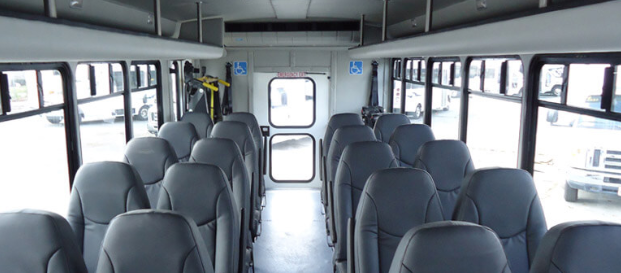
In the world of commercial and public transportation, the Cutaway Bus plays an essential role in bridging the gap between small passenger vans and full-sized transit buses. These vehicles are a common sight in shuttle services, paratransit systems, senior transportation, and corporate fleets. Despite their widespread use, many people are unfamiliar with what makes a Cutaway Bus unique. This article provides a comprehensive understanding of Cutaway-Chassis Transit Vehicles, their structure, applications, advantages, and how they differ from other types of buses.
What Is a Cutaway Bus?
A Cutaway Bus is a type of commercial passenger vehicle built on a cutaway chassis provided by major automotive manufacturers such as Ford, Chevrolet, or RAM. The “cutaway” term refers to the open rear portion of the chassis, where the original van body is cut away behind the driver’s cab. This allows bus manufacturers to install a custom passenger body that can accommodate anywhere from 8 to 25 passengers, depending on the design and configuration.
Cutaway buses are widely used in transportation systems that require flexibility, such as airport shuttles, hotel transfers, paratransit services, and small municipal transit routes. They combine the drivability of a van with the capacity and functionality of a bus, making them a popular choice for operators who need a cost-effective yet robust vehicle.
Design and Construction
The foundation of a Cutaway Bus begins with a chassis cab. Typically, the front portion—containing the engine, driver’s cab, and front wheels—is manufactured by an automaker. The rear section is left open or “cut away,” allowing a secondary manufacturer to build and attach a bus body. This modular design makes cutaway buses versatile and customizable.
Common chassis models used in Cutaway Buses include:
- Ford E-Series (E-350, E-450)
- Chevrolet Express/GMC Savana 3500 and 4500
- RAM ProMaster Cutaway
The bus body can be built using steel, aluminum, or composite materials, depending on the required weight, durability, and corrosion resistance. Interior features such as passenger seating, wheelchair lifts, luggage racks, and HVAC systems are added to suit specific operational needs.
Applications of Cutaway Buses
Cutaway Buses serve a wide variety of industries and organizations. Their versatility allows them to adapt to numerous roles, including:
- Public Transit and Paratransit: Many local transit agencies use Cutaway Buses for routes with lower passenger volumes or for ADA-compliant paratransit services.
- Airport and Hotel Shuttles: Their compact size and maneuverability make them ideal for frequent short-distance trips.
- Healthcare and Senior Transportation: Cutaway Buses can be equipped with lifts and ramps, making them accessible and comfortable for elderly and disabled passengers.
- Corporate and Educational Shuttles: Businesses and universities often use Cutaway Buses to transport employees or students efficiently across campuses or between facilities.
Advantages of a Cutaway Bus
There are several reasons fleet operators and transit agencies prefer Cutaway Buses over full-sized buses or vans:
- Affordability: The initial purchase price and operational costs are significantly lower than those of larger buses.
- Customizability: The cutaway chassis allows for custom-built bodies tailored to specific transportation needs.
- Serviceability: Since the front cab is based on popular commercial van platforms, parts and maintenance are readily available.
- Maneuverability: Cutaway Buses offer better handling in urban and suburban environments compared to full-sized buses.
- Accessibility: They can easily be equipped with wheelchair lifts or low-floor designs, ensuring compliance with ADA standards.
Limitations and Considerations
While Cutaway Buses offer numerous advantages, there are some limitations to keep in mind:
- Passenger Capacity: Typically limited to around 25 passengers, which may not suit high-demand routes.
- Ride Quality: The smaller chassis and shorter wheelbase can result in a firmer ride compared to full-sized transit buses.
- Durability: Depending on construction materials, some models may have shorter lifespans when used in demanding conditions.
- Weight Restrictions: The Gross Vehicle Weight Rating (GVWR) must be carefully managed to prevent overloading, especially when adding accessibility equipment.
Maintenance and Longevity
Regular maintenance is key to extending the lifespan of a Cutaway Bus. Operators should adhere to the manufacturer’s service schedules for the engine, transmission, and chassis components. Additionally, frequent inspections of suspension systems, brakes, and electrical systems are crucial for safety. Proper body maintenance, such as rust prevention and interior cleaning, also contributes to longevity and passenger comfort.
The Future of Cutaway Buses
As transportation technology evolves, the Cutaway Bus segment is also experiencing innovation. Electric and hybrid powertrains are becoming increasingly available, reducing emissions and fuel costs. Manufacturers are adopting lightweight composite materials to improve fuel efficiency without compromising strength. Furthermore, enhanced safety systems, such as lane departure warnings and automatic braking, are being integrated into newer models to improve operational safety.
Conclusion
The Cutaway Bus is a vital component of today’s transportation landscape, providing a practical and adaptable solution for a wide range of passenger transport needs. Its unique design allows for flexibility, affordability, and customization, making it a preferred choice among fleet managers and transit agencies alike. As innovation continues to shape the industry, the Cutaway Bus will remain an essential player in both public and private transportation sectors.