
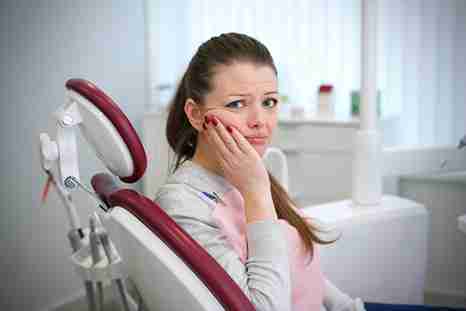
Dental emergencies can strike at any time, often without warning. Whether it’s a sudden toothache during the night, a chipped tooth after a fall, or a loose crown from an unexpected bite, these incidents can be both painful and alarming. Knowing how to respond calmly and effectively is key to preventing further damage and ensuring proper care. In this guide, we’ll provide straightforward, practical advice on handling the most common dental emergencies in Telford, helping you act quickly and confidently when the unexpected happens.
What Constitutes a Dental Emergency?
Not every dental issue requires a trip to the emergency dentist, but some situations, including concerns around cosmetic care like teeth whitening Telford, demand immediate attention due to severe pain, trauma, or infection risk.
- Severe toothache that doesn’t improve with over-the-counter pain relief
- Chipped, broken, or knocked-out teeth
- Loose or dislodged crowns, bridges, or veneers
- Cuts or injuries to the gums, tongue, or lips
- Abscesses or infections causing swelling and fever
Prompt action in these situations can prevent long-term damage, save teeth, and relieve discomfort effectively.

Common Dental Emergencies and How to Handle Them
Here, we break down the most frequent emergencies and provide actionable advice for each scenario.
1. Severe Toothache
A persistent toothache can be caused by decay, gum disease, or an infection. While waiting for professional care:
- Rinse your mouth with warm salt water to reduce inflammation.
- Use a cold compress externally to ease pain and swelling.
- Over-the-counter pain relief, such as ibuprofen, can help manage discomfort.
Avoid placing aspirin directly on the tooth or gums, as this can cause tissue damage. Toothaches that persist for more than a day or two should be evaluated by a dentist immediately.
2. Chipped or Broken Tooth
Chipping or breaking a tooth is common during accidents or biting down on hard foods. Immediate steps include:
- Rinse your mouth with warm water to clean the area.
- Preserve any broken pieces of the tooth and bring them to your dentist.
- Apply a cold compress to reduce swelling.
- Avoid chewing on the affected side until treated.
Minor chips may be smoothed or bonded, while larger breaks might require crowns or veneers to restore function and appearance.
3. Knocked-Out Tooth (Avulsed Tooth)
Losing a tooth entirely is alarming, but quick action can save it. Follow these steps:
- Pick up the tooth by the crown (the part visible in your mouth), not the root.
- Rinse gently with water to remove debris; do not scrub.
- Try to reinsert the tooth into its socket if possible, or store it in milk or saline solution.
- Seek dental care immediately, ideally within 30–60 minutes.
A knocked-out tooth that is treated quickly has the best chance of being successfully re-implanted.
4. Loose or Dislodged Crown/Bridge
Crowns or bridges can become loose due to decay, trauma, or grinding. Here’s what to do:
- Keep the restoration and your mouth clean.
- Apply temporary dental cement or sugar-free chewing gum to hold the crown in place until your appointment.
- Avoid hard or sticky foods that could worsen the situation.
Prompt professional attention ensures the crown or bridge can be re-secured safely without further damage.
5. Soft Tissue Injuries
Cuts, bites, or injuries to the gums, lips, or tongue can bleed heavily and cause discomfort. Immediate care includes:
- Rinse the area gently with clean water.
- Apply pressure with a clean cloth or gauze to control bleeding.
- Use a cold compress externally to reduce swelling.
- Monitor the injury, and seek professional care if bleeding persists or the wound is deep.
Soft tissue injuries are common in sports accidents, falls, or even during routine eating mishaps.
6. Abscess or Infection
Dental abscesses are serious and require urgent attention. Symptoms include:
- Severe, throbbing pain
- Swelling of the gums or face
- Pus or discharge from the affected area
- Fever or general malaise
Avoid self-medicating with antibiotics unless prescribed by a dentist. Prompt drainage and treatment are necessary to prevent the spread of infection.
First Aid Tips for Dental Emergencies
While professional care is always essential, some general tips can help manage pain and prevent complications:
Do’s:
- Rinse your mouth with warm salt water
- Apply cold compresses to reduce swelling
- Keep any broken tooth pieces safe
- Take over-the-counter pain relief as directed
Don’ts:
- Don’t ignore severe pain or swelling
- Avoid chewing on the injured area
- Do not attempt aggressive home fixes
These measures provide temporary relief and protect your oral health until a dentist can intervene.
When to Seek Professional Help
Any dental emergency that involves intense pain, swelling, bleeding, or trauma should be addressed promptly. Keep a local emergency dentist’s contact information handy in Telford to ensure you can act quickly. Remember, timely treatment can save teeth, prevent infection, and reduce long-term complications.
Preventing Dental Emergencies
Prevention is always better than cure. You can reduce your risk of dental emergencies with simple habits:
- Brush and floss regularly to prevent decay and gum disease.
- Avoid biting hard foods, ice, or objects that could chip teeth.
- Use protective gear like mouthguards during sports.
- Attend regular dental check-ups to catch potential issues early.
Additionally, combining dental care with cosmetic and personal care treatments, such as Teeth Whitening Telford and laser hair removal in Telford, can help you maintain confidence in both your smile and overall appearance.

Airflow Polishing and Cosmetic Considerations
While not an emergency treatment, some dental practices offer advanced cleaning options like airflow polishing, which can complement emergency care. Keeping teeth free from stains and plaque not only enhances oral health but also prepares your smile for cosmetic procedures like teeth whitening, giving you the confidence to manage both health and aesthetics.
Conclusion
Dental emergencies can be daunting, but knowing how to act quickly and effectively makes all the difference. From severe toothaches and broken teeth to knocked-out teeth and abscesses, sensible first aid and prompt professional care prevent long-term complications and preserve your oral health. By preparing for emergencies, practising good oral hygiene, and taking preventive measures, you can minimise the impact of unexpected dental issues.Book your next check-up or consultation with Telford today to stay ahead of dental problems and ensure your smile remains healthy, strong, and radiant.