
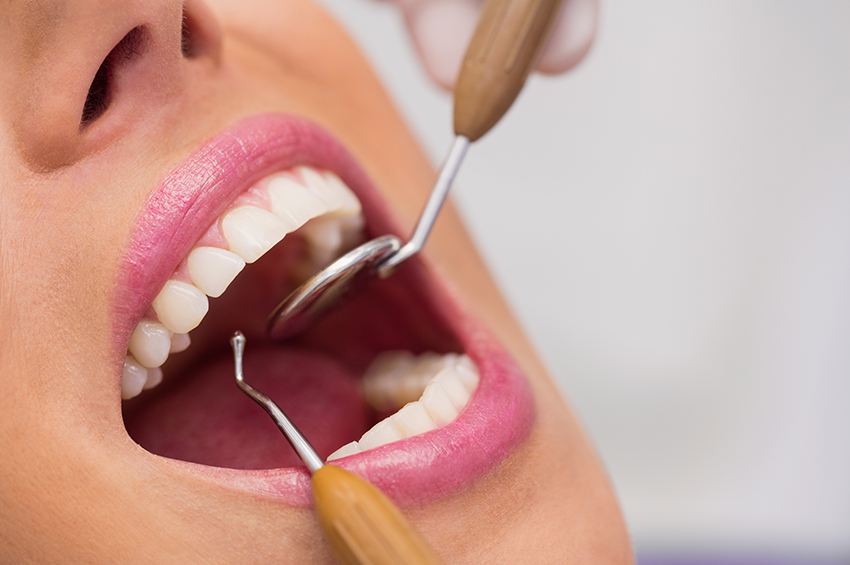
A healthy smile is not only about looking good. It is also about keeping your teeth and gums clean, strong, and free from disease. Many people brush twice a day and use mouthwash, yet still face dental problems like plaque buildup, bad breath, or bleeding gums. This happens because regular home care cannot remove all the dirt that sticks to teeth over time.
Dental hygiene needs professional care along with daily brushing and flossing. One of the most important professional treatments for oral health is scaling and polishing teeth, which helps keep your mouth fresh, clean, and healthy for the long term.
This article explains everything you need to know about scaling and polishing in very simple words. You will learn what it is, why it matters, how it works, and how it improves your overall dental hygiene.
Understanding Dental Hygiene in Simple Terms
Dental hygiene means keeping your teeth, gums, and mouth clean to prevent problems. Good dental hygiene helps you avoid:
-
Tooth decay
-
Gum disease
-
Bad breath
-
Tooth loss
-
Pain and infections
Even if your teeth look fine, hidden problems can develop below the gum line or between teeth. Plaque and bacteria are the main reasons for most dental issues. Over time, these problems can get worse if they are not treated early.
Professional cleaning plays a major role in stopping these problems before they become serious.
What Is Scaling and Polishing?
Scaling and polishing is a professional dental cleaning procedure. It is done by a dentist or dental hygienist using special tools. The treatment focuses on removing harmful deposits from your teeth.
-
Scaling removes hard and soft deposits like plaque and tartar from the teeth and gums.
-
Polishing smooths the surface of the teeth to remove stains and make it harder for plaque to stick again.
This treatment is safe, common, and recommended for people of all ages.
Why Regular Brushing Is Not Enough
Brushing your teeth at home is very important, but it has limits. Some areas in the mouth are hard to reach, especially:
-
Between the teeth
-
Below the gum line
-
Around crooked or crowded teeth
Plaque starts as a soft layer, but if it is not removed, it turns into tartar. Tartar is very hard and cannot be removed by brushing alone. Once tartar forms, only a dental professional can remove it.
This is why professional cleaning is necessary even if you brush daily.
How Plaque and Tartar Affect Your Teeth
Plaque is a sticky layer of bacteria that forms on teeth every day. When plaque stays on teeth for too long, it causes problems such as:
-
Cavities
-
Gum swelling
-
Bleeding gums
-
Bad breath
Tartar forms when plaque hardens. It creates a rough surface that attracts more bacteria. Tartar buildup can lead to gum disease and tooth loss if not treated.
Scaling and polishing remove both plaque and tartar, protecting your teeth and gums.
Step-by-Step Process of Scaling and Polishing
Many people feel nervous about dental cleaning because they do not know what to expect. The procedure is simple and usually painless.
1. Dental Examination
The dentist checks your teeth and gums to see how much plaque and tartar are present. This helps decide the level of cleaning needed.
2. Scaling
Special tools are used to gently remove plaque and tartar from the teeth. This includes areas above and below the gum line. You may hear a scraping sound, but it is normal.
3. Polishing
After scaling, a polishing paste is applied to the teeth. This smooths the surface and removes surface stains.
4. Final Rinse
Your mouth is rinsed to remove any leftover paste or debris. Your teeth will feel smooth and clean.
The entire process usually takes 30 to 60 minutes.
How Scaling and Polishing Improve Dental Hygiene
Professional cleaning has many benefits that go beyond just clean-looking teeth.
Removes Harmful Bacteria
Scaling removes bacteria that cause cavities and gum disease. Fewer bacteria mean a healthier mouth.
Prevents Gum Disease
Gum disease starts when plaque builds up near the gums. Regular cleaning prevents inflammation, bleeding, and infection.
Improves Breath
Bad breath often comes from bacteria trapped in plaque and tartar. Cleaning removes the source of odor.
Protects Tooth Enamel
Polishing smooths the teeth, making it harder for plaque to stick again.
Keeps Gums Healthy
Healthy gums hold teeth firmly in place. Cleaning helps maintain strong gums.
Signs You May Need Scaling and Polishing
Some people wait until they feel pain before visiting a dentist. This is not a good idea. Watch out for these signs:
-
Yellow or brown stains on teeth
-
Bleeding gums when brushing
-
Swollen or red gums
-
Bad breath that does not go away
-
Sensitive teeth
Even if you do not have these signs, regular cleaning is still important for prevention.
How Often Should You Get Scaling and Polishing?
Most dentists recommend professional cleaning every six months. However, some people may need it more often, such as:
-
Smokers
-
People with gum disease
-
People with diabetes
-
Those with heavy plaque buildup
Your dentist will guide you based on your oral health condition.
Is Scaling and Polishing Painful?
For most people, scaling and polishing is not painful. You may feel slight pressure or mild discomfort, especially if your gums are sensitive. If needed, a numbing gel can be used to make you comfortable.
After the procedure, you might feel mild sensitivity, but it usually goes away within a day or two.
Does Scaling Damage Teeth?
This is a common myth. Scaling does not harm your teeth. In fact, it protects them. The tools used are safe and designed to remove only harmful deposits, not tooth structure.
Polishing also does not wear down teeth. It simply smooths the surface.
Benefits of Polishing Beyond Cleanliness
Polishing is more than just making teeth shiny. It has real health benefits:
-
Reduces surface stains from coffee, tea, and smoking
-
Makes teeth smoother and more comfortable
-
Helps prevent plaque from sticking again
-
Improves the overall look of your smile
Smooth teeth are easier to keep clean at home.
Scaling and Polishing for Children and Adults
This treatment is safe for both children and adults. For children, it helps build good dental habits early and prevents cavities. For adults, it helps maintain oral health and avoid complex treatments later.
Regular cleaning is important at every age.
Connection Between Oral Health and Overall Health
Your mouth is connected to your whole body. Poor oral hygiene has been linked to problems such as:
-
Heart disease
-
Diabetes complications
-
Respiratory infections
Keeping your mouth clean helps protect your general health as well.
Tips to Maintain Clean Teeth After Scaling
After professional cleaning, you should follow good habits to maintain results:
-
Brush twice a day with fluoride toothpaste
-
Floss daily to clean between teeth
-
Use mouthwash if recommended
-
Avoid excessive sugary foods
-
Drink plenty of water
-
Visit your dentist regularly
These simple steps help keep your teeth clean for longer.
Common Myths About Dental Cleaning
Myth 1: Only people with problems need cleaning
Truth: Everyone needs professional cleaning, even if teeth look healthy.
Myth 2: Cleaning makes teeth weak
Truth: Cleaning strengthens teeth by removing harmful buildup.
Myth 3: It is only for cosmetic reasons
Truth: The main purpose is health, not appearance.
Why Professional Cleaning Is Better Than Home Remedies
Some people try home methods to remove tartar. These methods are unsafe and ineffective. Using sharp objects or harsh chemicals can damage teeth and gums.
Only trained dental professionals have the tools and knowledge to clean teeth safely.
Long-Term Benefits of Regular Scaling and Polishing
When done regularly, professional cleaning helps:
-
Reduce dental treatment costs
-
Prevent tooth loss
-
Keep gums healthy
-
Maintain a confident smile
-
Avoid painful dental problems
Prevention is always better than cure.
Who Should Avoid Delaying Dental Cleaning?
Delaying cleaning can cause serious issues, especially for people with:
-
Existing gum problems
-
Braces or dental appliances
-
Medical conditions affecting immunity
Timely care prevents small issues from becoming big problems.
Final Thoughts
Taking care of your teeth is an investment in your health and confidence. Daily brushing is important, but it is not enough on its own. Professional cleaning removes what home care cannot reach and keeps your mouth healthy from the inside out.
Regular best scaling and polishing teeth play a key role in preventing dental problems, improving hygiene, and maintaining a fresh, clean smile. It is a simple procedure with long-lasting benefits when done regularly.
If you are looking for professional guidance and quality dental care, DentisTree Dental Clinic provides expert support to help you maintain excellent oral health through safe and effective dental cleaning treatments.