
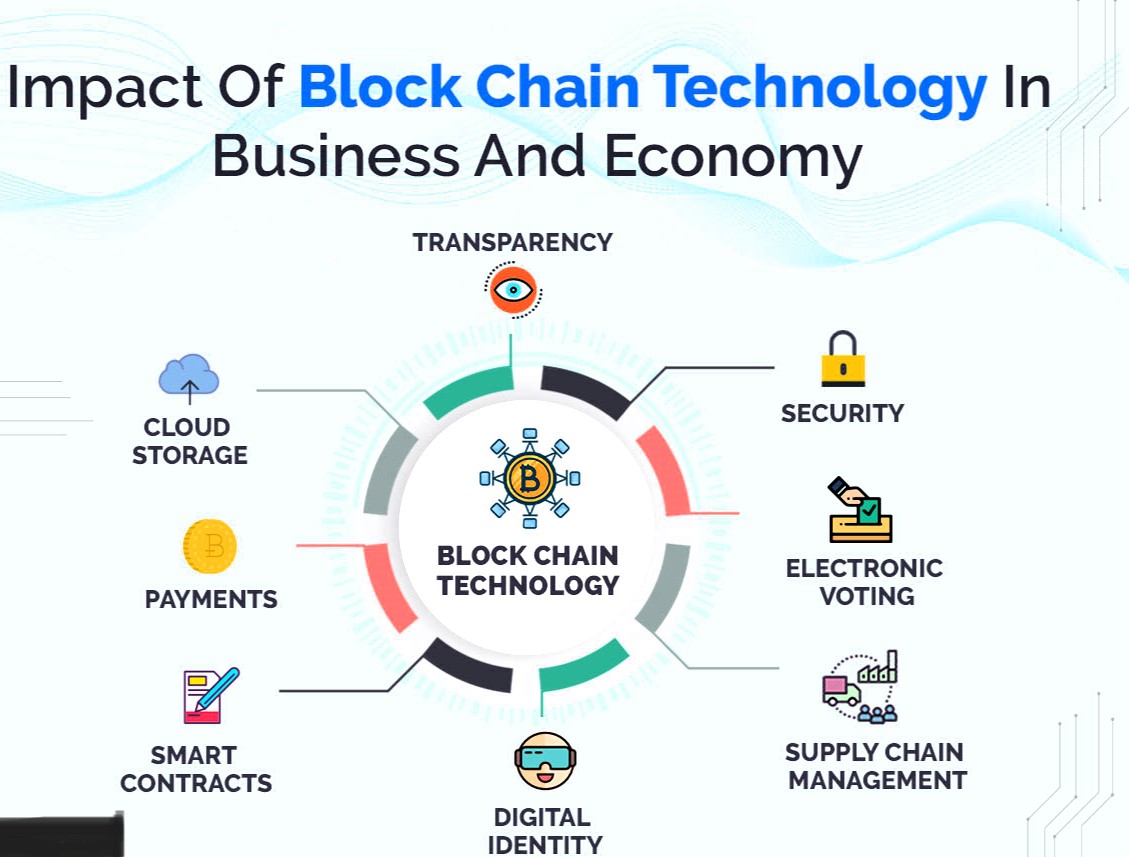
For years, blockchain was treated like a buzzword something people associated only with crypto trading or speculative hype. But that phase is over. Today, businesses are using blockchain to fix problems they’ve struggled with for decades: lack of trust, slow processes, data manipulation, and too many intermediaries eating into profits.
This is where blockchain development services step in. Not as a futuristic experiment, but as a practical tool businesses can actually use. From supply chains to finance, healthcare to real estate, blockchain is quietly solving real, measurable problems.
Let’s break down how this technology is being applied in the real world and why more companies are working with a professional blockchain development company to implement it correctly.
What Are Blockchain Development Services?
In simple terms, blockchain development services involve designing, building, and maintaining blockchain-based solutions tailored to business needs.
These services typically include:
-
Blockchain architecture design (public, private, or hybrid)
-
Smart contract development
-
Decentralized application (DApp) development
-
Token and asset digitization
-
Blockchain integration with existing systems
-
Security audits and performance optimization
A good blockchain solution isn’t just “putting data on a chain.” It’s about identifying a business problem and using blockchain where it genuinely adds value security, transparency, automation, or cost reduction.
That’s why businesses usually work with a specialized blockchain development company instead of experimenting internally and risking costly mistakes.
The Real Business Problems Blockchain Is Fixing
1. Trust Issues in Multi-Party Systems
Trust is expensive. When multiple parties are involved suppliers, logistics providers, banks, auditors everyone keeps their own records. Disputes happen because data doesn’t match.
Blockchain solves this by creating a single shared source of truth. Once data is recorded, it can’t be altered without consensus.
Where this helps:
-
Supply chains
-
Trade finance
-
Vendor management
-
Cross-company audits
Everyone sees the same data, in real time. No emails. No spreadsheets. No arguments about “whose version is correct.”
2. Supply Chain Visibility and Traceability
Supply chains are messy. Products change hands multiple times, data is scattered, and tracing the origin of goods can take days or weeks.
With blockchain development services, businesses can track products from source to shelf. Each step is recorded permanently.
Real impact:
-
Reduced counterfeit goods
-
Faster recalls
-
Better compliance reporting
-
Increased customer trust
For industries like food, pharmaceuticals, and luxury goods, this isn’t optional anymore it’s becoming a competitive advantage.
3. Slow and Costly Payments
Cross-border payments are still painfully slow. Banks, intermediaries, settlement delays each step adds time and cost.
Blockchain enables near-instant settlements with fewer middlemen.
Businesses benefit from:
-
Faster transactions
-
Lower fees
-
Transparent payment tracking
-
Reduced fraud risk
This is especially valuable for global businesses, marketplaces, and fintech platforms that deal with high transaction volumes.
4. Manual Processes and Human Errors
Many business processes still rely on manual approvals and paperwork. These are slow, error-prone, and expensive.
Smart contracts built through blockchain development services automate these workflows.
Example uses:
-
Insurance claim processing
-
Escrow services
-
Royalty payments
-
Invoice settlements
Once conditions are met, the contract executes automatically. No follow-ups. No delays. No “forgotten” approvals.
5. Data Integrity and Compliance
Data tampering is a serious concern in industries like finance, healthcare, and legal services. Even internal systems can be manipulated intentionally or accidentally.
Blockchain ensures data integrity by making records immutable and time-stamped.
This makes audits simpler and compliance easier. Regulators don’t need to trust your reports they can verify them directly.
Real-World Use Cases That Actually Work
Supply Chain Transparency
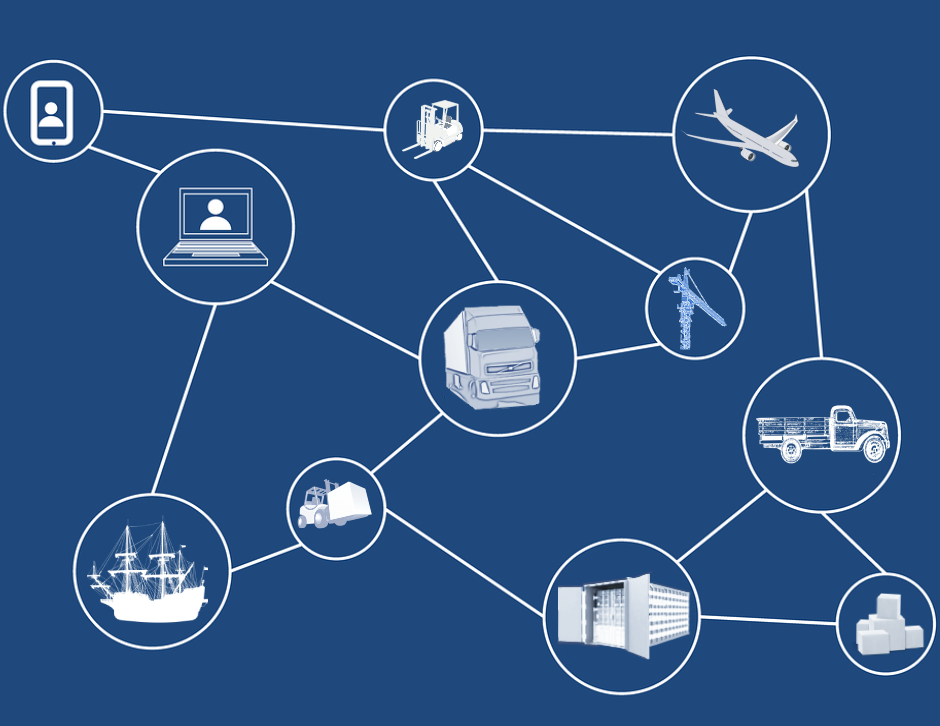
A manufacturing company integrates blockchain to track raw materials, production stages, and shipping events. Disputes with suppliers drop sharply because data is visible to all stakeholders.
Digital Identity & KYC
Instead of repeatedly submitting documents to multiple platforms, users verify their identity once. Blockchain securely stores proofs, reducing onboarding time and fraud.
Asset Tokenization
Businesses tokenize real-world assets like real estate or commodities, making them easier to trade, divide, and manage without complex paperwork.
Each of these use cases succeeds because blockchain is applied with purpose, not hype. That’s why implementation matters as much as the technology itself.
How Blockchain Development Services Are Delivered
A structured approach is what separates successful blockchain projects from failed pilots.
Most blockchain development services follow these steps:
-
Problem discovery – Understanding whether blockchain is actually needed
-
Architecture design – Choosing the right network and consensus model
-
Development – Smart contracts, backend logic, and user interfaces
-
Testing & security audits – Critical for preventing costly exploits
-
Deployment & integration – Connecting blockchain with existing systems
-
Ongoing support – Updates, monitoring, and scaling
This process ensures blockchain becomes part of your business workflow not a disconnected experiment.
When Blockchain Is Not the Right Solution
Let’s be honest, blockchain isn’t always the answer.
You probably don’t need it if:
-
Only one trusted party controls the data
-
A simple database works just fine
-
Transaction volume is extremely low
-
Cost efficiency matters more than transparency
A reliable blockchain development company will tell you this upfront instead of forcing blockchain where it doesn’t belong.
How to Choose the Right Blockchain Development Company
Not all vendors are equal. When evaluating a blockchain development company, look for:
-
Proven experience with real-world projects
-
Strong understanding of security and audits
-
Ability to integrate with existing systems
-
Clear communication and documentation
-
Long-term maintenance and support options
Ask practical questions. If the answers sound vague or overly technical without clarity, that’s a red flag.
Final Thoughts
Blockchain is no longer just an emerging technology it’s a practical business tool when used correctly. From reducing fraud to automating workflows and improving transparency, blockchain development services are solving problems companies have accepted for far too long.
The key is implementation. Businesses that approach blockchain strategically not blindly are the ones seeing real results.
If you’re exploring how blockchain could fit into your operations, LBM Solutions offers tailored blockchain development services designed around actual business needs, not hype. A quick feasibility discussion can help you understand whether blockchain is right for your use case.
FAQs
1. What business problems are best solved by blockchain development services?
Problems involving trust, transparency, automation, and shared data across multiple parties.
2. How long does a blockchain project usually take?
Small projects may take 6–10 weeks, while enterprise solutions can take several months.
3. Is blockchain secure for business use?
Yes, when implemented correctly with proper smart contract audits and security practices.
4. Do businesses need to replace existing systems to use blockchain?
No. Blockchain usually integrates with current systems rather than replacing them entirely.