
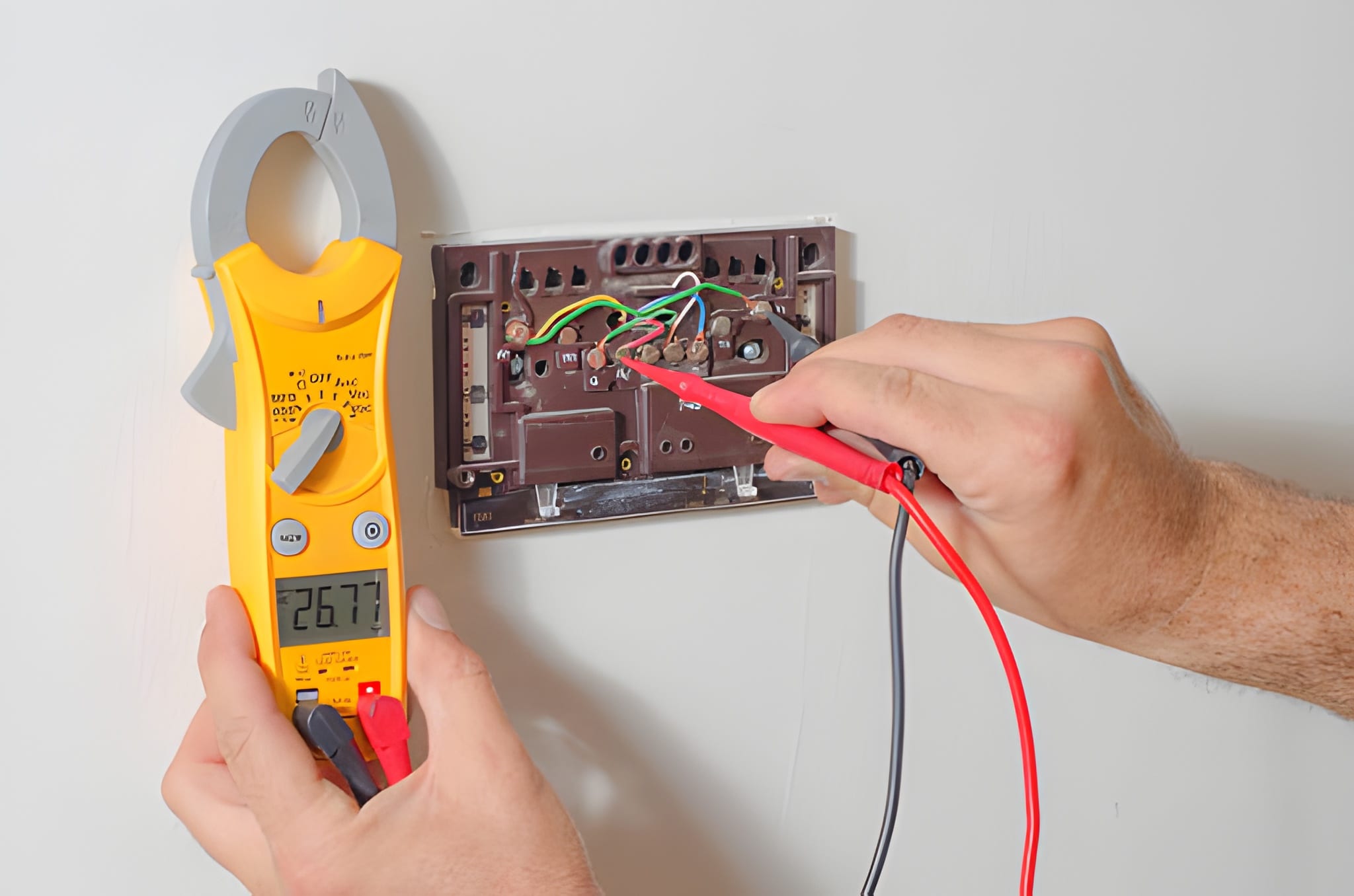
Electrical safety has become one of the most heavily regulated aspects of rental property management in England. With tighter enforcement and higher penalties, landlords across the capital must clearly understand their obligations. EICR in Certificate London is now a core requirement for protecting tenants, maintaining property value, and avoiding costly legal action.
Understanding What an EICR Covers
An Electrical Installation Condition Report (EICR) is a detailed assessment of a property’s fixed electrical systems. Its purpose is to confirm that installations are safe for continued use and free from serious defects.
Key elements assessed during an inspection
- Consumer units and fuse boards
- Fixed wiring, earthing, and bonding
- Sockets, switches, and lighting circuits
- Signs of overheating, deterioration, or unsafe alterations
A professionally completed EICR Testing Certificate London identifies both immediate dangers and longer-term risks, allowing landlords to act before faults become hazardous.
Legal Duties for Landlords in London
Under the Electrical Safety Standards in the Private Rented Sector Regulations, most rented properties in England must meet defined electrical safety requirements.
Core landlord responsibilities
- Arrange an EICR at least every five years
- Provide a copy of the report to tenants within 28 days
- Supply the report to local authorities when requested
- Complete remedial work within the specified timeframe
Failure to comply can result in fines of up to £30,000. Many landlords work with London Property Inspections to ensure inspections are compliant, accurate, and clearly documented.
Why London Properties Require Extra Electrical Attention
London’s housing stock is exceptionally varied, ranging from Victorian conversions to high-rise developments. Each type presents its own electrical challenges.
Common risks found in London properties
- Aging wiring not designed for modern electrical demand
- Multiple undocumented upgrades over time
- Overloaded circuits due to increased appliance use
- Inconsistent standards from historic electrical work
Because of these factors, EICR in Certificate London often reveals issues that are hidden from view but critical to long-term safety.
Interpreting EICR Codes Correctly
Understanding inspection outcomes is essential for compliance. An EICR uses a classification system to indicate the severity of any issues found.
Explanation of EICR codes
- C1 – Danger Present: Immediate action required
- C2 – Potentially Dangerous: Urgent remedial work needed
- C3 – Improvement Recommended: Not legally required but advisable
- FI – Further Investigation: Additional checks required
Any report containing C1 or C2 observations is deemed unsatisfactory. Landlords must address these issues promptly and provide confirmation once remedial work is completed.
Practical Guidance for Managing Compliance
Electrical compliance becomes much simpler when landlords adopt a proactive approach rather than waiting for deadlines.
Best practice for landlords
- Schedule inspections well before certificates expire
- Keep organised records of reports and repair certificates
- Budget annually for electrical maintenance
- Use qualified inspectors familiar with London housing
Many landlords choose London Property Inspections because reports are clear, actionable, and supported with practical guidance instead of technical jargon.
When an EICR Is Required Earlier Than Five Years
Although five years is the standard inspection interval, certain situations trigger earlier testing.
Situations requiring early inspection
- Change of tenancy
- Major electrical alterations or refurbishments
- Fire, flooding, or visible electrical damage
- Electrical concerns reported by tenants
Treating EICR in Certificate London as an ongoing safety process rather than a one-off obligation reduces risk and unexpected costs.
The Role of Professional Inspection Services
A quality inspection should do more than identify faults. It should explain what the findings mean and what actions are legally required.
Experienced providers such as London Property Inspections help landlords understand reports clearly, prioritise repairs correctly, and achieve compliance efficiently without unnecessary disruption.
Conclusion
Electrical safety is no longer an optional consideration for landlords operating in London. Clear understanding, timely inspections, and correct responses to inspection outcomes are essential. By planning ahead and acting on professional advice, landlords can protect tenants, avoid enforcement action, and maintain compliant properties. With the right approach, managing EICR in Certificate London becomes a routine part of responsible and successful property management rather than a source of uncertainty.
FAQs
What is EICR in Certificate London?
It is a formal inspection of a property’s fixed electrical installation to confirm it meets UK safety standards.
How long does an EICR inspection take?
Most residential inspections take between two and four hours, depending on property size and condition.
Can tenants stay in the property during inspection?
Yes, although temporary power interruptions may be necessary during testing.
What happens if the report is unsatisfactory?
Landlords must complete required remedial work within the stated timeframe and provide written confirmation.
Is an EICR required for owner-occupied homes?
It is not legally required, but it is strongly recommended for safety and insurance purposes.