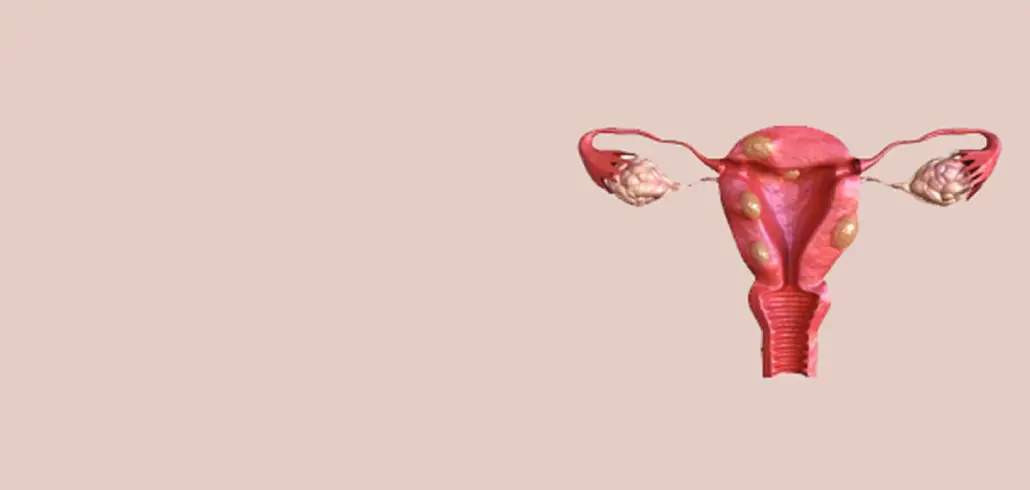
Fibroid symptoms are being discussed more openly today because women are sharing real experiences rather than quietly adjusting their lives around discomfort. Conversations now focus on how symptoms affect work, relationships, and everyday routines.
At the same time, many women are looking beyond surgery and asking about options that protect the uterus while still offering relief. The priority has shifted from simply measuring fibroid size to understanding how treatments improve daily comfort, recovery time, and long-term well-being.
What is Uterine Fibroid Embolization?
Uterine fibroid embolization is a minimally invasive procedure designed to ease symptoms by reducing blood flow to fibroids. Instead of removing fibroids surgically, the treatment targets the vessels that supply them. Tiny particles are guided through a thin catheter and released into these blood vessels. Without a steady blood supply, fibroids gradually shrink and soften over time, leading to noticeable symptom relief while keeping the uterus intact, reflecting the same preference for targeted, tissue-preserving care seen in breast fibroadenoma treatment.
Why Might I Need a Uterine Fibroid Embolization?
Women usually consider embolization when fibroid symptoms begin interfering with normal life. This approach is often discussed when:
- Heavy periods disrupt daily schedules or cause ongoing fatigue
- Pelvic pressure affects comfort while sitting, standing, or exercising
- Frequent urination interrupts sleep or work routines
- Pain does not respond well to medication alone
- A uterus-preserving option is preferred over surgery
Many patients exploring uterine fibroid embolisation in Ahmedabad do so after weighing symptom control against recovery time and future reproductive considerations.
Which Fibroid Symptoms Improve First After Embolisation
Symptom improvement after embolisation usually happens in stages rather than all at once. Some changes appear within weeks, while others develop gradually over a few menstrual cycles, helping patients understand recovery without unnecessary worry.
1. Heavy menstrual bleeding
Heavy bleeding is often the earliest symptom to improve after embolisation. As fibroids lose their blood supply, menstrual flow becomes lighter and more controlled over the next two to three cycles. Many women notice fewer clots, shorter periods, and less disruption to daily activities, which brings early confidence in the treatment outcome.
2. Pelvic pain and pressure
Pelvic pain and pressure reduce as fibroids gradually shrink in size. The constant heaviness or dragging sensation eases, making sitting, bending, and sleeping more comfortable. Relief is progressive rather than sudden, but many women feel steady improvement within the first few months after treatment.
3. Frequent urination and bloating
As pressure on the bladder decreases, the urge to urinate frequently becomes less intense. Bloating also reduces as the abdomen feels less crowded internally. These changes develop gradually but noticeably improve daily comfort, especially during work hours or long periods away from home.
4. Fatigue related to blood loss
With lighter periods, iron levels begin to recover, reducing ongoing fatigue. Energy levels improve slowly, allowing women to feel more active and mentally alert. This improvement often becomes noticeable once menstrual bleeding stabilises and the body regains its natural balance.
5. Vaginal discharge
Mild vaginal discharge may occur temporarily as treated fibroid tissue breaks down. This is usually short-lived and part of the natural healing process. The discharge reduces on its own with routine care and does not typically interfere with daily activities.
6. Low-grade fever
A low-grade fever can appear in the early recovery phase as the body responds to treated tissue. It is usually mild and settles within a few days. Simple medications and rest are often enough to manage this symptom comfortably.
7. Nausea and vomiting
Some women experience mild nausea or vomiting shortly after the procedure. This is usually related to medications or the body’s adjustment phase. Symptoms tend to resolve quickly with supportive care and do not persist long-term.

How Uterine Fibroid Embolisation Works
The procedure works through a targeted, step-by-step process:
- A small entry point is made in the wrist or groin
- Imaging guidance helps the doctor reach the uterine arteries
- Embolic particles are released to block the fibroid blood supply
- Healthy uterine tissue continues receiving blood from other vessels
This focused approach explains why uterine fibroid embolisation in Ahmedabad is often discussed as a balance between effectiveness and tissue preservation.
The Benefits of Uterine Fibroid Embolisation Treatment
The benefits go beyond shrinking fibroids. Women often appreciate:
- Reduced bleeding and pain without surgical scars
- Shorter hospital stays and quicker mobility
- Lower risk of complications linked to open surgery
- Relief that feels gradual and natural rather than abrupt
For many, uterine fibroid embolisation in Ahmedabad represents a practical option that fits modern lifestyle needs.
What Happens During and After the Embolisation Procedure
The embolisation procedure is planned to be smooth, controlled, and focused on patient comfort. From hospital admission to home recovery, each stage is designed to support safe treatment and gradual symptom improvement without disrupting daily life more than necessary.
In the Hospital
The procedure usually takes about one to two hours to complete. Patients remain awake but relaxed, with pain and anxiety managed through medication. Imaging is used throughout to guide the treatment accurately. After the procedure, patients are monitored for a few hours to manage discomfort, check vital signs, and ensure the body responds well before discharge.
At Home
Once home, mild cramping, fatigue, or body aches may be felt for a few days. These symptoms are expected and reduce steadily with rest and prescribed medicines. Most women resume light activities within a week, gradually returning to normal routines as comfort improves. Over the following months, symptom relief becomes more noticeable as fibroids continue to shrink.
How Do I Get Ready for a Uterine Fibroid Embolization?
Preparation focuses on safety and clarity:
- Imaging tests to map fibroid location
- Blood tests to assess overall health
- Medication review with the care team
- Clear guidance on fasting and recovery expectations
Being well-prepared helps reduce anxiety and supports a smoother recovery.
FAQ: Uterine Fibroid Embolisation and Symptom Relief
How soon does heavy bleeding reduce after embolisation?
Most women notice gradual improvement over the first few menstrual cycles. Lighter periods often continue improving over several months.
Can embolisation help with pressure-related symptoms?
Yes. As fibroids shrink, pressure on nearby organs decreases, easing pelvic discomfort and urinary issues.
What is breast fibroadenoma treatment?
Breast fibroadenoma treatment in Ahmedabad involves evaluating and managing non-cancerous breast lumps using imaging and minimally invasive methods, especially when symptoms or size changes occur.
Conclusion
Relief from fibroid symptoms, not just fibroid size, is what truly changes daily life. Uterine fibroid embolisation offers a way to reduce bleeding, pain, and pressure while supporting faster recovery and uterus preservation. Making an informed choice means understanding how symptoms improve over time and what fits personal health goals. With patient-focused planning and advanced care options available at Dev Hospital, women can feel supported in choosing a treatment path that prioritizes comfort, confidence, and long-term well-being.