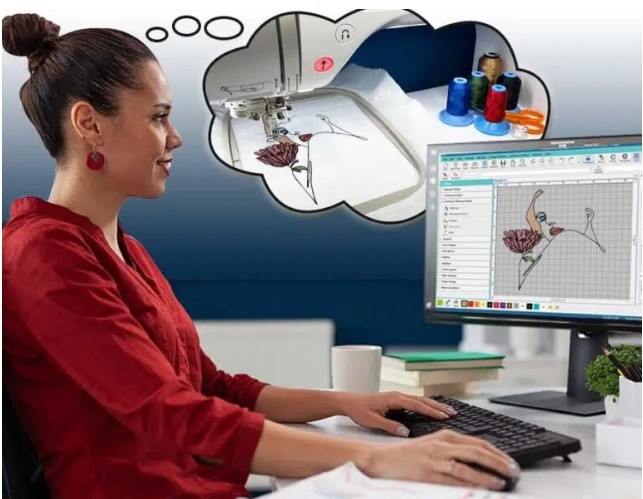
If you’re looking to bring your designs to life on apparel, Digitizing For Embroidery is an essential step. Whether it’s hats, shirts, jackets, or promotional items, digitizing transforms your artwork into stitch-ready files that embroidery machines can read. Without proper digitizing, even the best designs can end up distorted, messy, or unrecognizable on fabric. With the right approach, you can achieve professional, clean, and long-lasting embroidery results.
This guide will walk you through everything you need to know about custom embroidery digitizing, including how it works, why it matters, and tips for getting the best results on any garment.
What Is Digitizing For Embroidery?
Embroidery digitizing is the process of converting an image or artwork into a machine-readable format. During digitizing, every stitch, path, angle, and density is carefully planned to match your fabric and design. Digitizing ensures that your embroidery looks crisp, smooth, and professional.
Key tasks in digitizing include:
- Choosing stitch types (satin, fill, run)
- Determining stitch direction and density
- Creating underlay for fabric stability
- Optimizing stitch paths to reduce thread breaks
By digitizing your design properly, you can achieve accurate replication on all types of garments, including hats, t-shirts, jackets, and more.
Why Digitizing Matters for Apparel
Even a high-quality embroidery machine can’t produce perfect results without proper digitizing. Here’s why it’s so important:
1. Clean, Professional Stitching
Proper digitizing ensures smooth outlines, accurate shapes, and balanced fills that make your design stand out.
2. Fabric Protection
Incorrect stitch density or poorly planned paths can cause puckering, fabric stretching, or thread breaks. Digitizing compensates for these issues.
3. Small Detail Accuracy
Tiny logos, intricate illustrations, and small text require precise stitch mapping to remain legible and clean on apparel.
4. Time & Material Savings
A properly digitized file reduces test runs, wasted fabric, and production errors, saving both time and money.
5. Consistency Across Products
Digitizing allows the same design to be stitched consistently on multiple garments, maintaining your brand’s professional look.
The Digitizing For Embroidery Process
Here’s a step-by-step overview of how professional digitizing works:
Step 1: Artwork Review
The digitizer examines your artwork to assess:
- Image resolution
- Color complexity
- Design size
- Fabric type
High-resolution files or vector images result in better final embroidery, but skilled digitizers can work with lower-quality images too.
Step 2: Stitch Type Assignment
Each section of your design is assigned the most suitable stitch type:
- Satin Stitch: Best for text and borders
- Tatami/Fill Stitch: Ideal for larger areas
- Run Stitch: Used for outlines and fine details
Step 3: Path Planning
Digitizers create a stitch path that:
- Minimizes jumps and trims
- Ensures smooth transitions
- Prevents thread overlaps or misalignment
Step 4: Underlay & Pull Compensation
Underlay stitches provide a base for top stitching, while pull compensation adjusts the design for fabric stretch, preventing distortion.
Step 5: Color Assignment
Thread colors are mapped to match:
- Pantone references
- Brand-specific threads
- Machine-compatible threads
Step 6: Testing & Quality Check
Digitized designs are often tested with a sample stitch-out to ensure:
- Proper stitch density
- Smooth curves and outlines
- Accurate replication of the original artwork
Step 7: Delivery of Machine Files
After approval, files are delivered in formats compatible with your embroidery machine:
- PES (Brother/Babylock)
- DST (Tajima)
- EXP (Melco)
- VP3 (Viking/Pfaff)
- JEF (Janome)
- PXF (Pfaff)
This guarantees your design is ready to sew perfectly on any machine.
Applications of Digitizing For Embroidery
Digitizing isn’t just for t-shirts. It works across a variety of products:
Hats & Caps
Curved surfaces require careful adjustment of stitch density and pathing to prevent distortion.
Shirts & Jackets
Thicker fabrics or multiple layers need optimized stitches to maintain clean edges.
Bags & Accessories
Tote bags, backpacks, and promotional items benefit from durable and neat embroidery.
Uniforms
Corporate, school, or sports uniforms need precise logo placement for a professional appearance.
Custom Gifts
Monograms, illustrations, or personalized designs require exact stitch mapping for flawless results.
Tips for the Best Digitizing Results
1. Provide High-Quality Artwork
Higher resolution or vector files make it easier for digitizers to create accurate stitches.
2. Specify Fabric Type
The fabric determines stitch density, underlay, and pull compensation.
3. Define Size & Placement
Small logos may require simplified details, while large designs allow for more complexity.
4. Choose Accurate Thread Colors
Provide Pantone or machine-compatible thread colors for precise color matching.
5. Review a Sample Stitch-Out
A test sew ensures the final design meets your expectations before mass production.
Challenges Professional Digitizers Handle
- Curved or uneven surfaces (like hats and cuffs)
- Tiny text or intricate artwork
- Stretchy or thick fabrics
- Multi-color designs with precise sequencing
- Designs requiring multiple stitch types
By working with a professional, you avoid the common mistakes that make embroidery look sloppy or distorted.
Benefits of Using Professional Digitizing Services
- Accurate Stitching: Every detail is represented correctly
- Fabric-Friendly: Minimizes puckering and thread breaks
- Efficient Production: Fewer test runs and faster turnaround
- Scalable Designs: Files can be resized without losing quality
- Machine Compatibility: Delivered in formats for any embroidery machine
Professional digitizing ensures your embroidery always looks sharp and polished, no matter the fabric or garment type.
Why Custom Digitizing Matters
Automated digitizing tools exist, but they often fail to account for:
- Fabric type and stretch
- Stitch angles and density
- Complex designs or small details
- Proper underlay and pull compensation
Custom digitizing ensures that every design is optimized for the machine, the fabric, and the final application. This results in embroidery that is both visually stunning and durable.
Final Thoughts
Whether you’re decorating hats, jackets, shirts, or promotional products, Digitizing For Embroidery is the key to achieving clean, smooth, and professional results. From accurate stitch mapping to perfect density and underlay, custom digitizing ensures your designs sew beautifully on any garment. By working with experts who understand both the art and science of embroidery, you can bring logos, monograms, illustrations, and custom designs to life with confidence.