Pregnancy is usually a time filled with happiness, hope, and excitement. Families look forward to welcoming a new life and preparing for many beautiful moments ahead. However, for some women, pregnancy can come with extra medical challenges that need special attention and care.
In such situations, understanding what makes a pregnancy more complex is very important. high-risk pregnancy in dubai is a topic that many expectant mothers search for when they are told they need closer monitoring and expert support. Knowing what this means and how to manage it can bring comfort and confidence during this important phase of life.
This article explains high-risk pregnancy in a clear and simple way. It covers causes, symptoms, care options, and how expert guidance can help mothers and babies stay healthy throughout pregnancy and delivery.
What Is a High-Risk Pregnancy?
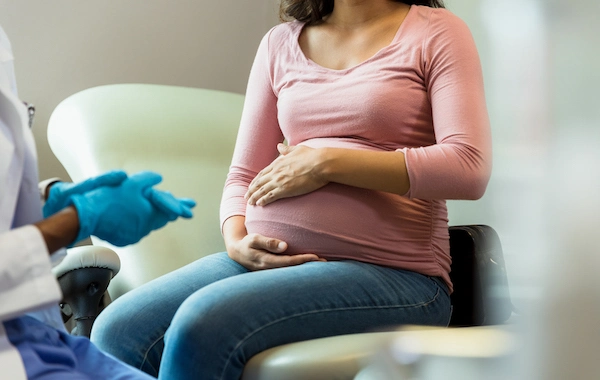
A high-risk pregnancy means that the mother, the baby, or both have a higher chance of health problems before, during, or after delivery. This does not mean that something will definitely go wrong. It simply means that extra care, regular check-ups, and close monitoring are needed to reduce risks.
Many women with high-risk pregnancies go on to deliver healthy babies. The key is early diagnosis, proper medical support, and following expert advice throughout the pregnancy.
Common Causes of High-Risk Pregnancy
There are many reasons why a pregnancy may be considered high-risk. These reasons can be related to the mother’s health, the baby’s condition, or pregnancy-related complications.
1. Mother’s Age
Women under the age of 18 or over the age of 35 may face higher risks during pregnancy. Advanced maternal age can increase the chances of conditions such as high blood pressure, diabetes, or genetic concerns.
2. Pre-Existing Medical Conditions
Health problems that exist before pregnancy can affect both mother and baby. These include:
-
Diabetes
-
High blood pressure
-
Heart disease
-
Kidney disease
-
Thyroid disorders
-
Autoimmune conditions
3. Pregnancy-Related Conditions
Some conditions develop during pregnancy and increase risk, such as:
-
Gestational diabetes
-
Preeclampsia
-
Placenta problems
-
Preterm labor
-
Multiple pregnancies (twins or more)
4. Lifestyle Factors
Smoking, alcohol use, poor nutrition, high stress levels, and lack of prenatal care can also increase pregnancy risks.
Signs That May Indicate a High-Risk Pregnancy
Some warning signs should never be ignored during pregnancy. Early medical attention can prevent complications and improve outcomes.
Common signs include:
-
Severe or constant headaches
-
Heavy bleeding or fluid leakage
-
Reduced baby movements
-
Sudden swelling of face, hands, or feet
-
Severe abdominal pain
-
High fever
-
Vision problems
If any of these symptoms appear, immediate medical consultation is important.
Why Early Diagnosis Matters
Early diagnosis plays a vital role in managing a high-risk pregnancy. Regular prenatal visits allow doctors to identify potential problems at an early stage. This helps in creating a personalized care plan for the mother and baby.
Timely monitoring can:
-
Prevent complications
-
Reduce emergency situations
-
Improve baby’s growth and development
-
Increase chances of a safe delivery
The earlier the condition is identified, the better the results can be.
Specialized Care for High-Risk Pregnancy
High-risk pregnancies require more frequent medical visits and detailed monitoring. Specialized care ensures that both mother and baby receive the attention they need.
Frequent Check-Ups
Regular visits help track blood pressure, blood sugar levels, baby’s growth, and overall health.
Advanced Ultrasound and Tests
Detailed scans and tests are used to check baby’s development and detect any concerns early.
Personalized Treatment Plans
Each pregnancy is different. Treatment plans are created based on individual health needs, medical history, and pregnancy progress.
Nutritional and Lifestyle Guidance
Proper diet, safe physical activity, and stress management play an important role in high-risk pregnancy care.
Managing Common High-Risk Pregnancy Conditions
Gestational Diabetes
This condition affects blood sugar levels during pregnancy. It can usually be managed with:
-
Healthy eating
-
Regular exercise
-
Blood sugar monitoring
-
Medication if needed
With proper control, most women deliver healthy babies.
High Blood Pressure and Preeclampsia
Careful monitoring of blood pressure is essential. Treatment may include:
-
Medication
-
Reduced physical stress
-
Bed rest in some cases
-
Early delivery if required
Preterm Labor
Doctors may use medications to slow labor and give the baby more time to develop. Hospital monitoring may be necessary in some cases.
Emotional Support During High-Risk Pregnancy
A high-risk pregnancy can be emotionally challenging. Fear, anxiety, and stress are common feelings for expectant mothers and their families.
Emotional support is just as important as medical care. This can include:
-
Clear communication with healthcare providers
-
Support from family and friends
-
Counseling or mental health support if needed
-
Pregnancy education and reassurance
Staying informed and supported can greatly reduce stress during pregnancy.
Importance of Choosing the Right Medical Team
Choosing experienced professionals for pregnancy care makes a big difference in high-risk cases. Skilled specialists understand how to manage complex situations and provide safe, effective care.
A good medical team will:
-
Offer clear explanations
-
Monitor both mother and baby closely
-
Be prepared for emergencies
-
Support normal delivery when possible
-
Recommend safe delivery methods when needed
Trust and communication between the patient and healthcare provider are essential.
Delivery Planning for High-Risk Pregnancy
Delivery planning is an important part of high-risk pregnancy care. Doctors plan the safest way and time for delivery based on the condition of the mother and baby.
This may include:
-
Planned hospital delivery
-
Special monitoring during labor
-
Possible cesarean section if required
-
Neonatal care support after birth
Having a clear delivery plan reduces stress and ensures preparedness for any situation.
Life After Delivery
Care does not stop after the baby is born. Postpartum care is equally important, especially for mothers who had high-risk pregnancies.
Post-delivery care includes:
-
Monitoring mother’s recovery
-
Managing ongoing health conditions
-
Supporting breastfeeding
-
Checking baby’s health and development
Regular follow-up visits help ensure long-term well-being for both mother and child.
Preventing Future High-Risk Pregnancies
Some high-risk factors cannot be avoided, but many can be managed or reduced with proper planning.
Steps that may help include:
-
Pre-pregnancy health check-ups
-
Managing chronic conditions
-
Maintaining a healthy lifestyle
-
Following medical advice closely
-
Early prenatal care in future pregnancies
Planning ahead can improve outcomes in future pregnancies.
Why Dubai Is a Preferred Choice for Pregnancy Care
Dubai offers advanced healthcare facilities, experienced specialists, and modern technology for pregnancy care. Women from different parts of the world seek care here because of high medical standards and patient-centered services.
With access to advanced diagnostics and personalized care, many women feel confident managing complex pregnancies with the right support.
Final Thoughts
A high-risk pregnancy care in dubai may feel overwhelming at first, but with the right guidance and medical care, many women experience positive outcomes. Knowledge, early diagnosis, and expert monitoring are the strongest tools for ensuring safety and peace of mind during pregnancy.
If you are looking for expert-led care for complex pregnancy needs, consulting an experienced specialist can make all the difference. Under the guidance of Dr. Neha Lalla, patients receive compassionate, evidence-based support focused on the health and well-being of both mother and baby. With the right care team, even high-risk pregnancies can be managed with confidence and hope.